


R0 Tattoo Removal - Erase tattoos 3 times in 1 visit

R0 Tattoo Removal - Erase tattoos 3 times in 1 visit
Unlike general tattoo removal procedures, R0 laser tattoo removal is designed to perform up to three multi-laser irradiations in a single visit. This reduces the waiting time between treatments and alleviates the burden of the total number of tattoo removal sessions. This tattoo removal approach is suitable for those who consider both time and the number of sessions. [VAT separate]
Options
Treatment Details
R0 method tattoo removal
Immediate Repetitive Pass Technique Using PFD
Laser procedures primarily used for tattoo removal involve breaking down pigments into fine particles using nanosecond lasers such as Q-switched Nd:YAG (1064nm). This method has long been considered the standard.
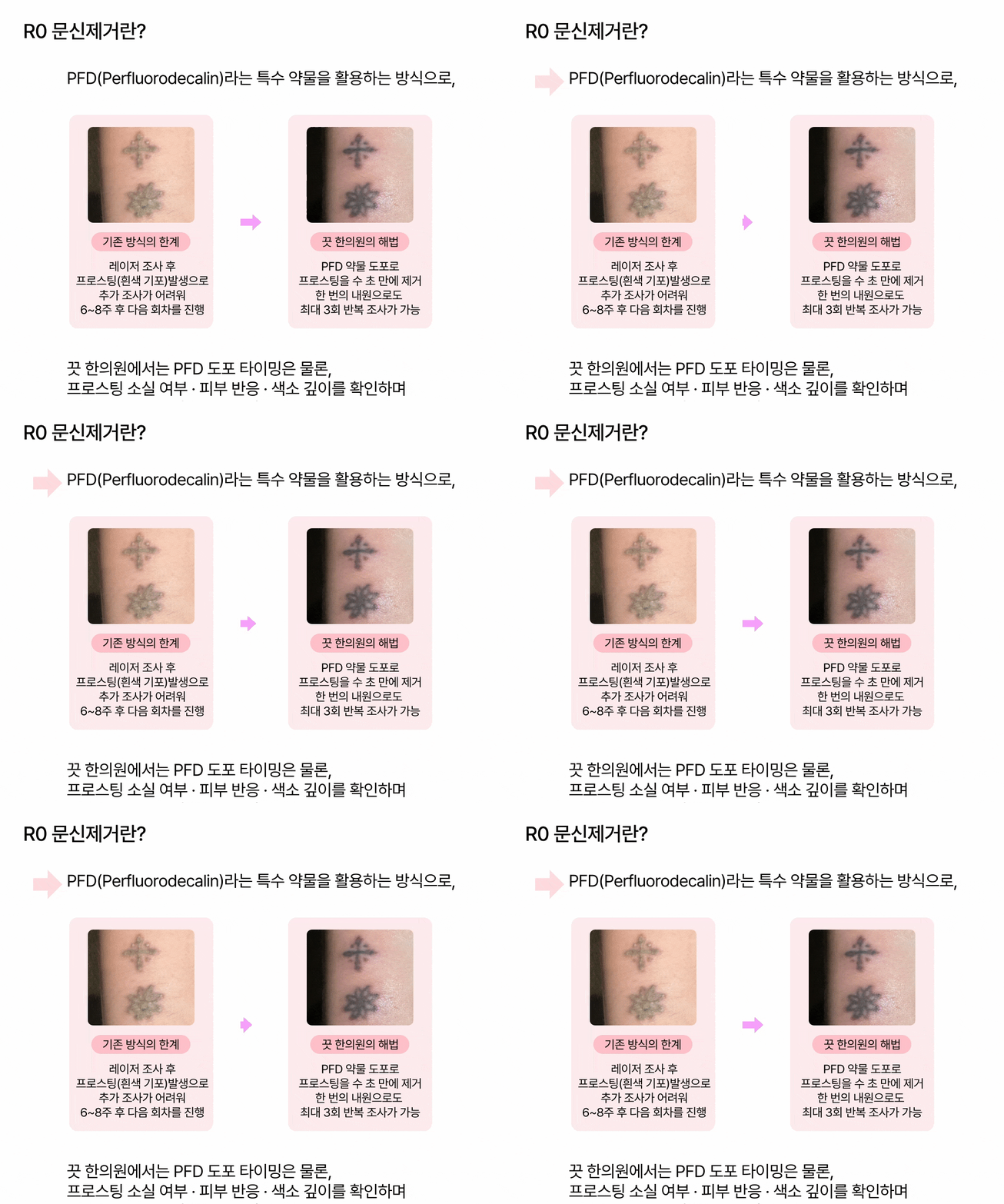
With traditional methods, after one laser session, patients had to wait approximately 6 to 8 weeks for skin recovery before the next treatment. This could lead to a total of more than 10 treatment sessions on average, requiring a significant amount of time.
To address the shortcomings of these traditional methods, the R0 method has been proposed as an alternative.
What is the R0 method?
The R0 method refers to a technique where, during a single clinic visit, the laser is applied multiple times to the same tattooed area. Up to 4 passes can be performed.
A crucial aspect of this procedure is the use of a special liquid medication called ‘PFD (Perfluorodecalin)’.
When the laser touches the skin, white bubbles called ‘frosting’ appear on the skin's surface.
These bubbles scatter the laser light, significantly reducing the effectiveness of subsequent laser passes.
Previously, it was necessary to wait tens of minutes for these bubbles to disappear on their own. However, they often wouldn't fully vanish, leading to the postponement of the next treatment.
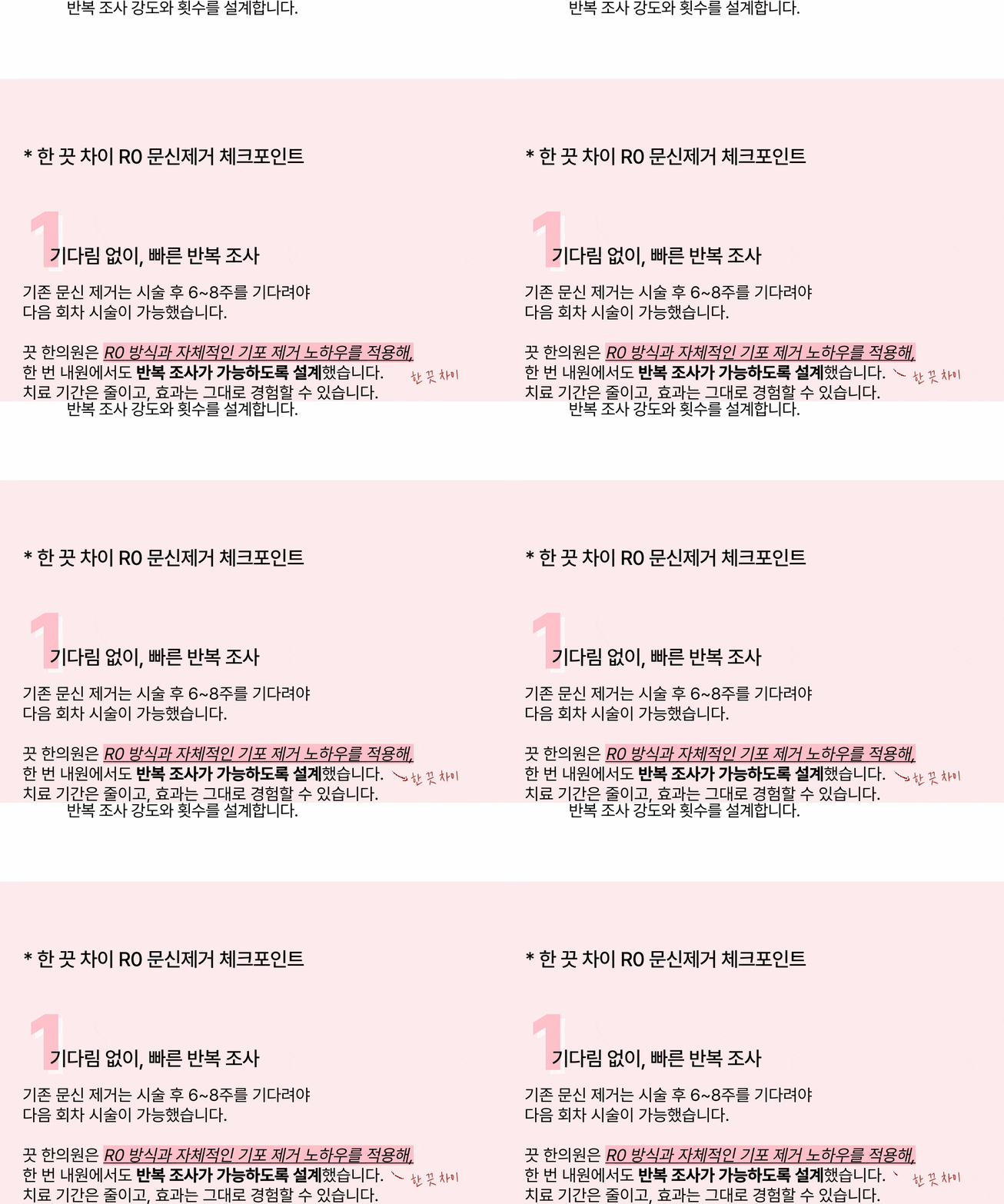
However, applying PFD can remove frosting in a short amount of time. This allows for reducing the interval between laser passes to about 1-2 minutes, enabling multiple repetitive treatments.
This method can help shorten the treatment period compared to traditional approaches while still reducing tattoo pigment.
Related Research Findings
- Biesman et al.'s 2013 Study
- It was reported that patients who received the R0 method were able to reduce the number of treatment sessions by about 30% to 50% compared to conventional treatment methods.
- Furthermore, it was confirmed that repetitive treatment is possible immediately after laser irradiation.
- Kauvar et al.'s 2020 Study
- In patients who underwent the R0 method approximately 3 times, when the total number of laser passes was about 10 (approximately 3 passes with the R0 method),
- The results showed that 70% to over 90% of tattoo pigment could be removed.
- The incidence of side effects such as post-inflammatory hyperpigmentation (PIH) was also found to be low.
So, if the R0 method allows for up to 4 passes, why is it often limited to about 3 passes in practice?
Theoretically, the R0 method allows for repeated laser passes up to 4 times on the same area.
However, in actual practice, it is often limited to about 2 to 3 repetitive passes.
There are several reasons for this.
1. Asian skin has different characteristics.
Asian skin's melanin cells can react more sensitively to lasers. This increases the likelihood of post-inflammatory hyperpigmentation (PIH).
Especially for those with Fitzpatrick Skin Type III~IV,
Excessive repetitive passes, beyond simply destroying tattoo pigment, can irritate the skin itself, potentially increasing the risk of more severe hyperpigmentation.
2. A balance between the number of treatment passes and safety must be considered.
Typically, up to about 3 passes can be performed while observing the skin's reaction.
However, exceeding 4 passes can increase the risk of damage to normal skin tissue. Furthermore, the likelihood of pain, erythema, or mild burn reactions may increase.
3. There are also limitations to laser pass efficiency.
Even with PFD, there is a certain limit to how much pigment the laser can reach and destroy.
After approximately 3 repetitive passes in a single session, the laser's efficiency gradually decreases thereafter.
At this point, even increasing the intensity of the passes may yield minimal additional effect, and could instead increase the risk of side effects.
Consequently, while it is technically known that up to '4 passes' are possible, the 'optimal number of passes' that can be safely applied to a patient's skin to achieve good results may differ.
Therefore, medical staff will determine the number of repetitive passes by prioritizing the patient's skin safety and treatment efficacy.
So, why isn't the R0 method used everywhere?
From the perspective of a medical institution performing the procedure, this method does not have only advantages.
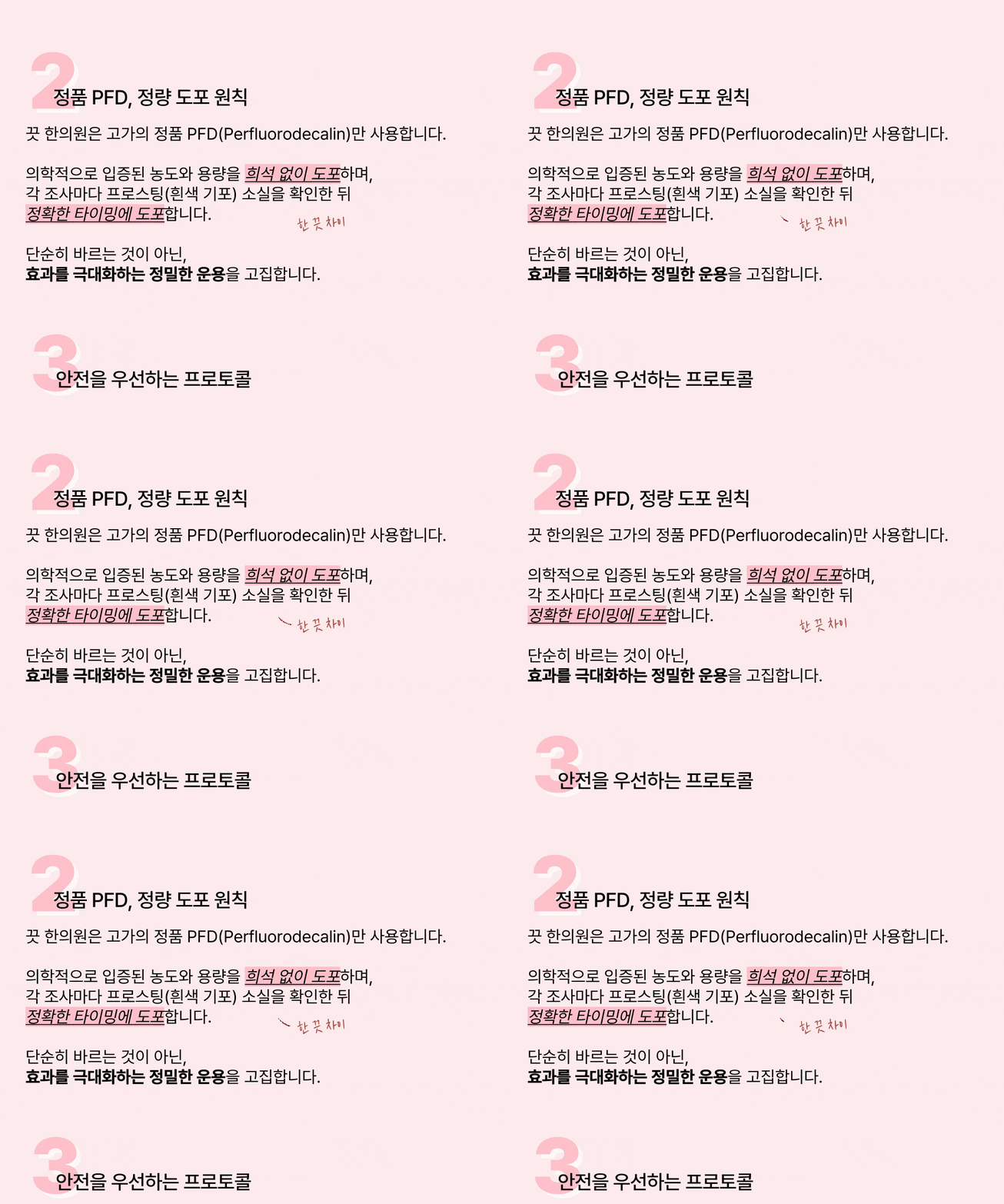
- PFD drugs are costly and their stable supply can be challenging.
- The timing of PFD drug application and the plan for repeated laser irradiation require the experienced judgment of medical professionals.
- Compared to typical tattoo removal procedures, the treatment time can be 2 to 3 times longer.
Therefore for these reasons, medical institutions prioritizing patient turnover may find it difficult to choose this method.
However, if the completeness of the procedure and the reduction of patient burden are considered more important,
the efficiency of this treatment method cannot be overlooked.
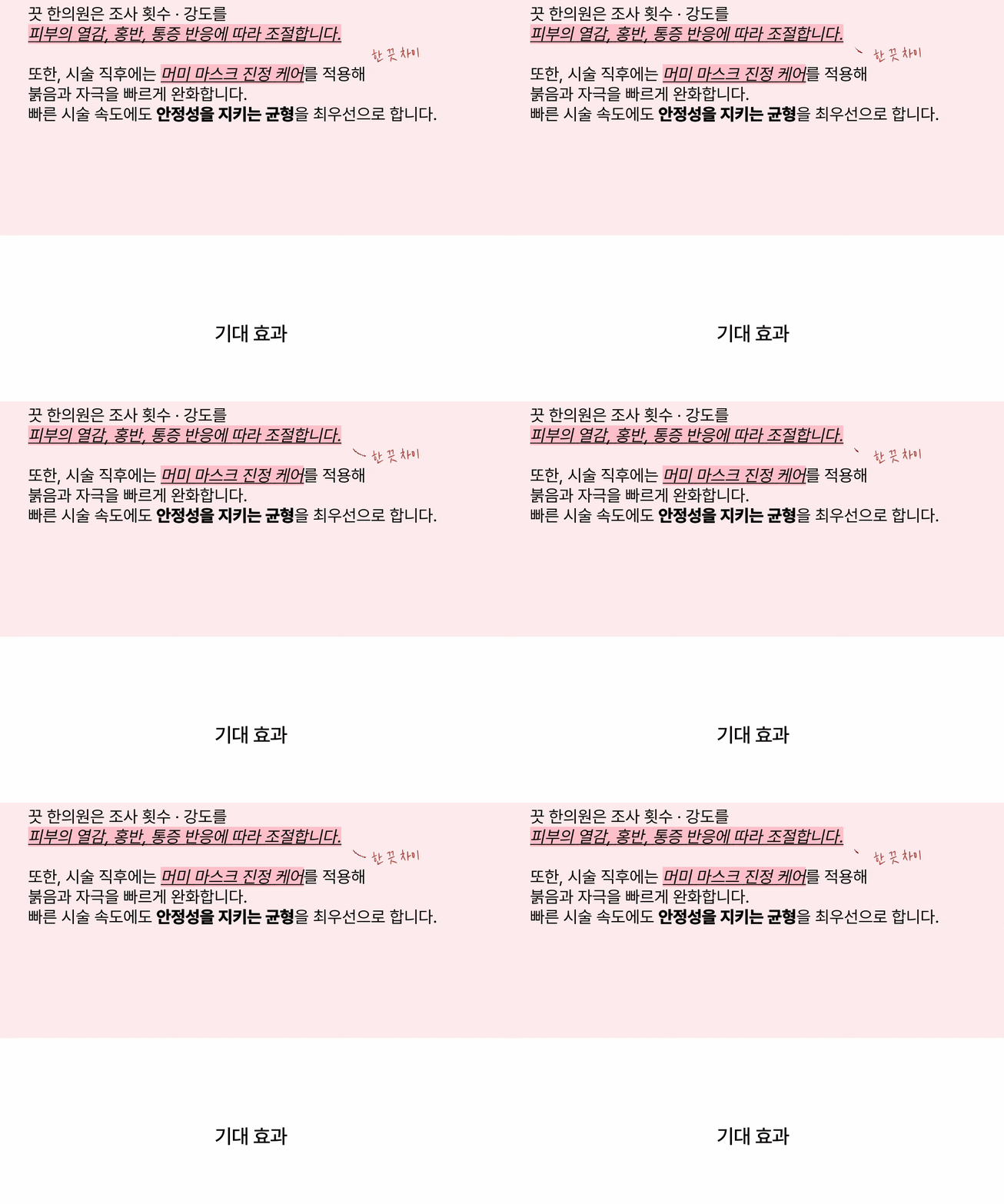
We avoid excessive irradiation and perform repeated treatments only as needed,
prioritizing your skin safety and striving for satisfactory tattoo removal results.
To be more efficient, aim for fewer sessions, reduce safety concerns, and expect improved results.
Tattoo Removal Procedure Steps
첫 상담부터 마무리까지의 실제 진행 순서를 확인하세요.
- 01
One-on-one customized consultation with medical staff.
- 02
Apply anesthetic cream to the area before the procedure.
- 03
Adjust laser settings according to individual skin condition, then begin the procedure.
- 04
After the procedure, perform final treatments to soothe the skin.
시술 기본정보
시술 시간, 마취, 회복, 유지기간을 한 번에 확인하세요.
TIME
1 hour ~ 1 hour 30 minutes (varies by size)
ANESTHESIA
Anesthetic cream
RECOVERY
Immediate return to daily life
Ideal For
One Fine Difference makes real results.
- KKEUT POINT 01
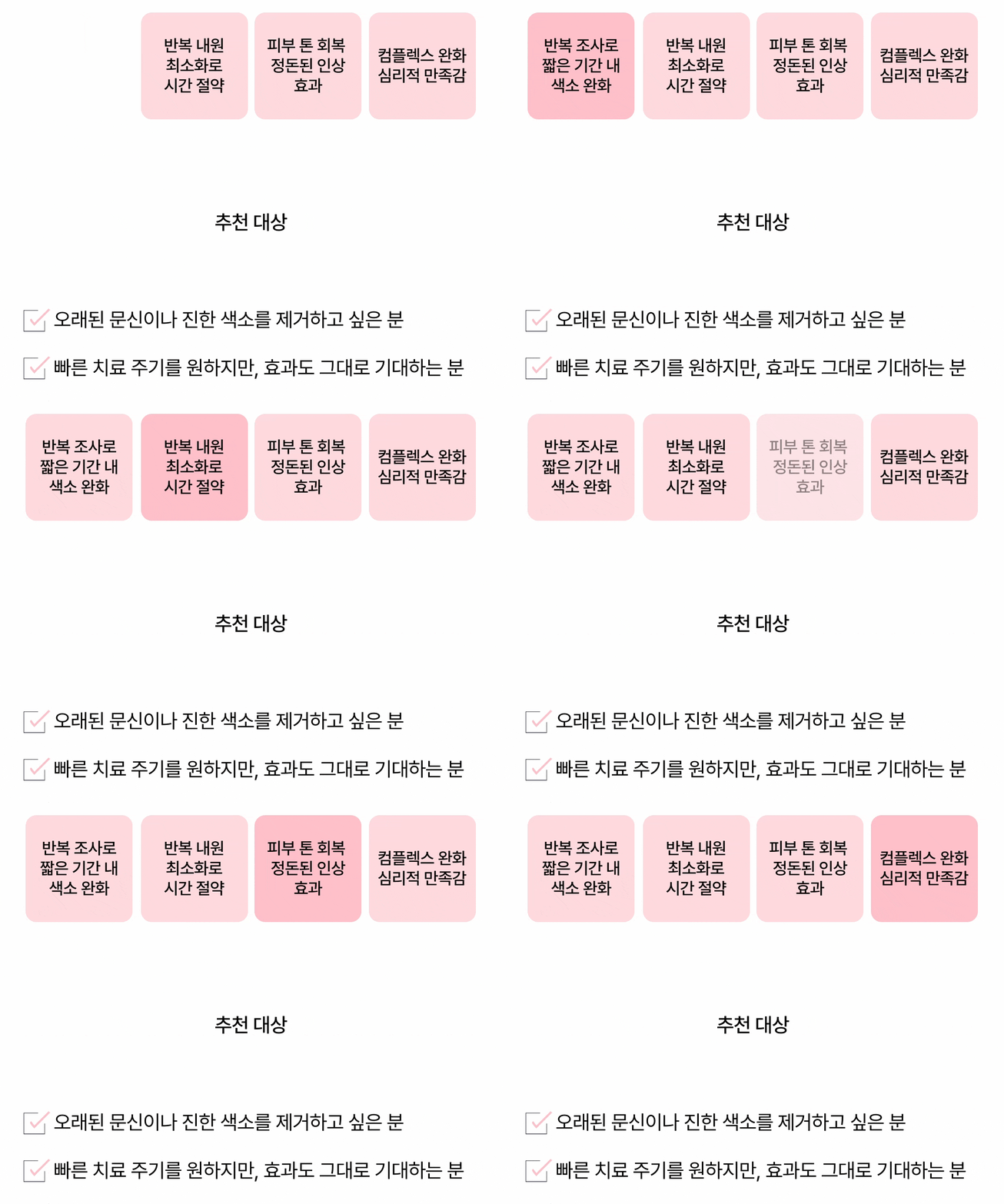
This procedure can be considered by those who wish to remove tattoos and restore clear skin.
Cautions
Results = Treatment × Aftercare. Please follow the notes below.
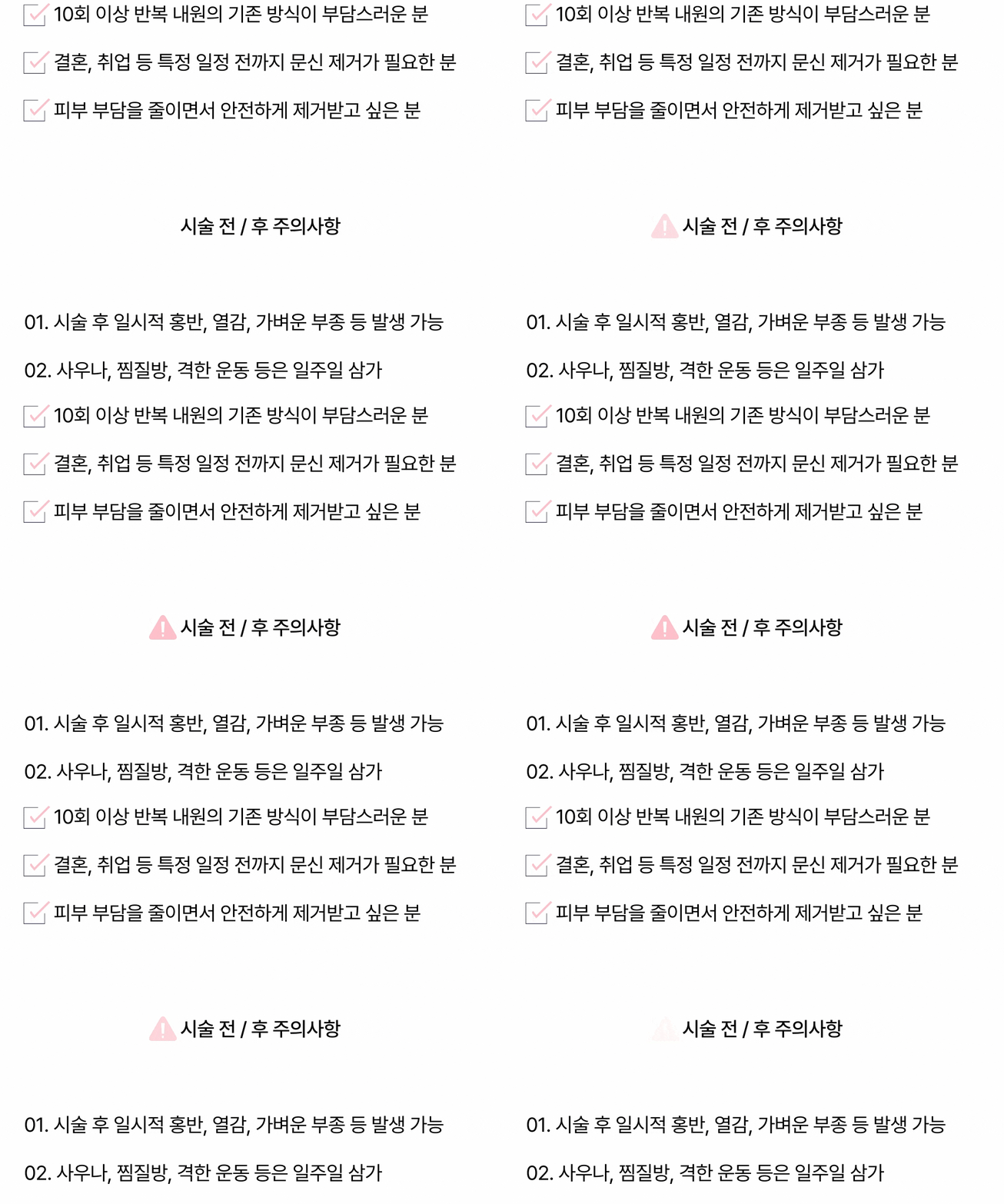
It is recommended to avoid using scrub products that may irritate the skin for 7 days after the procedure.
Scabs that form on the treated area should not be artificially removed; allow them to fall off naturally.
Please be careful not to let water touch the treated area for one day after the procedure.
After the procedure, refrain from rubbing or unnecessarily irritating the treated area.
It is recommended to avoid alcohol, smoking, saunas, and strenuous exercise for about 7 days after the procedure.